Trusted across industries — home appliance, automotive, toy and industrial tooling for leading global brands
Company
Three decades of precision.
Founded in Hong Kong in 1991 by Mr. Calven Wong, Hi-Tech Moulds specialises in plastic injection, blow, die-casting and steel cast moulds — with more than two decades of supporting volume manufacturers across different industries.
1991
Hi-Tech Moulds Factory founded in Hong Kong.
1993
Relocation to Dongguan, mainland China.
1998
Move to the current 160,000 ft² Huizhou premises, 100% owned.
2003
In-house production capability added to support client's needs.
2025
VHT Industrial (Vietnam) opens in Hai Phong for Southeast Asia.
Capabilities
One factory, every stage.
In-house design, prototype, tool and production teams — no hand-offs between stages, no external dependencies.
01
Concept & Design
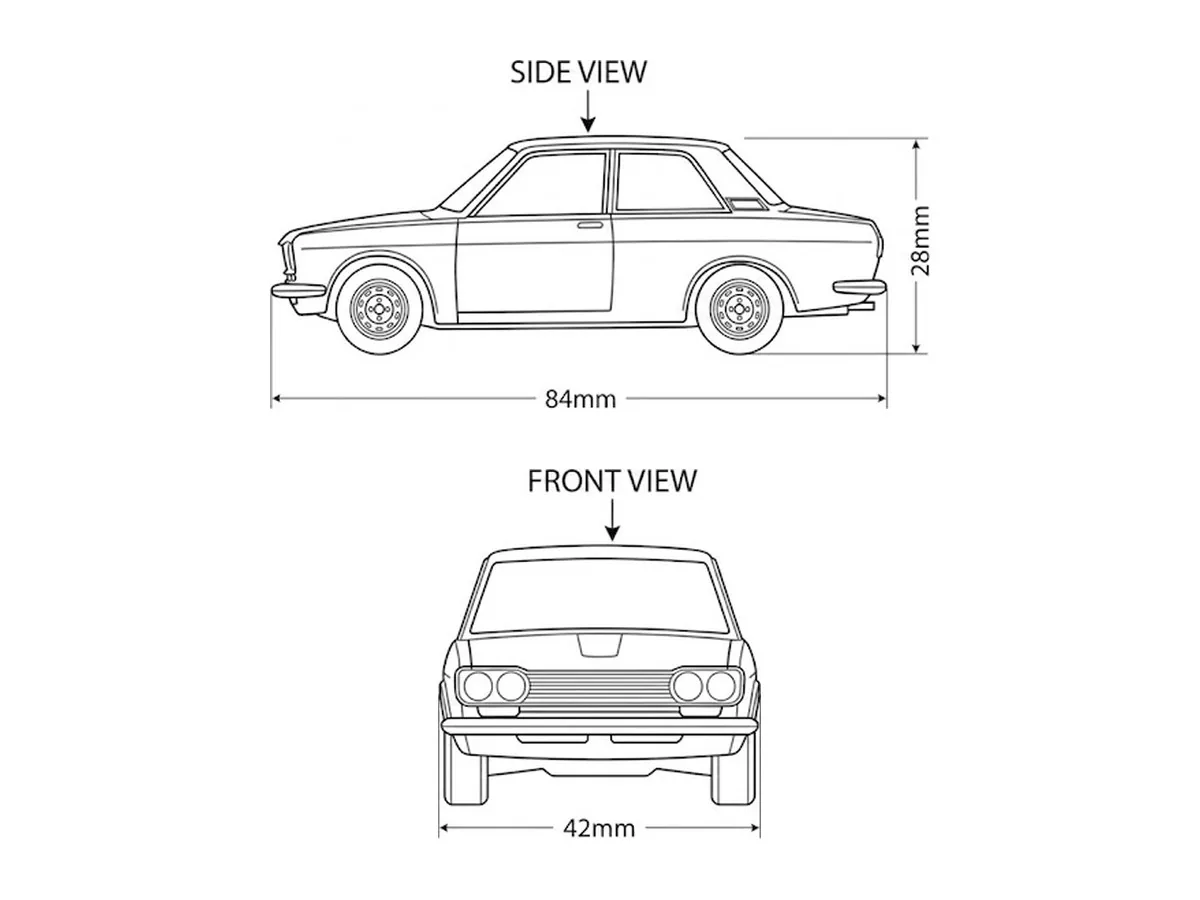
Sketch → 2D concept → DFM review
Your idea or part data comes in; our engineering team turns it into a manufacturable concept, with mould feasibility checked from day one.
2D concept sketch — side and front views, 84 × 42 × 28 mm
02
3D Engineering
CREO · UG NX · SolidWorks · Moldflow
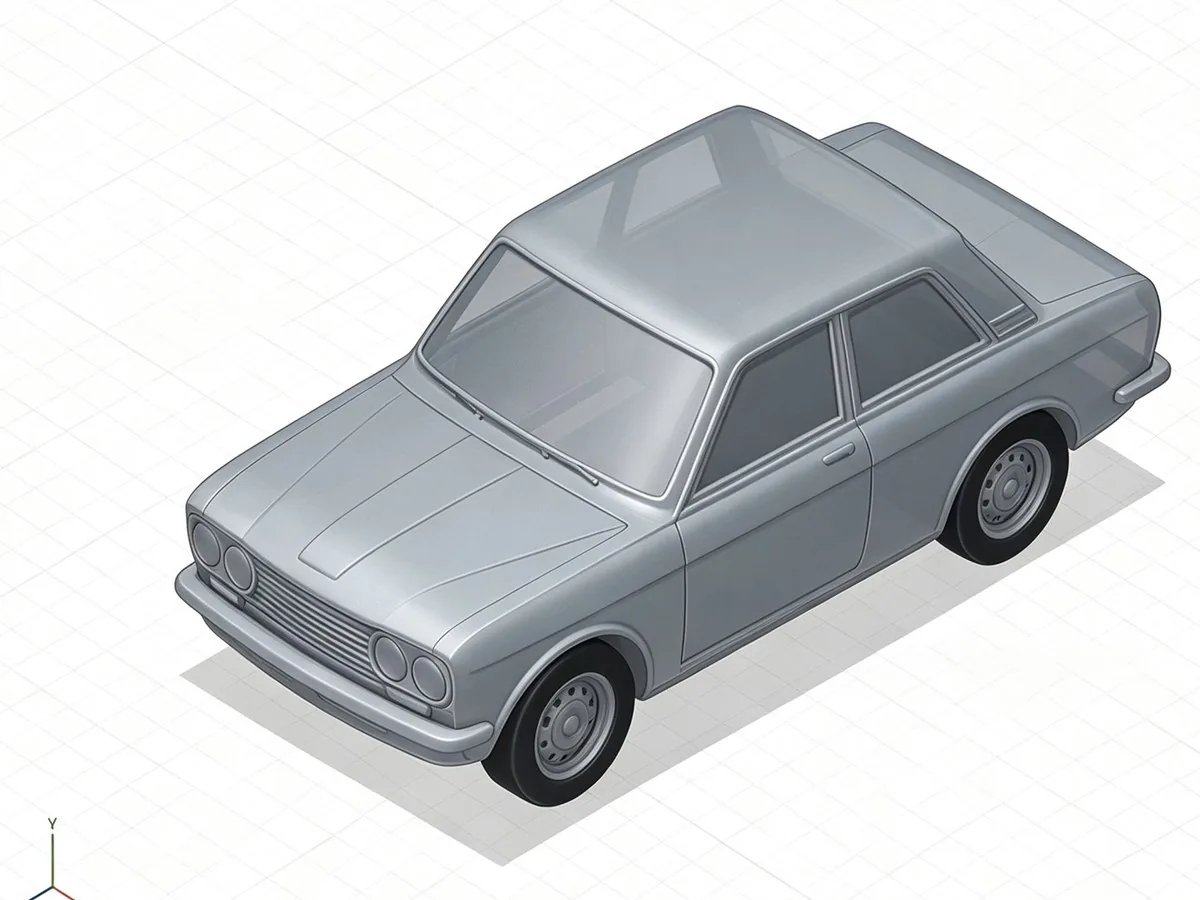
Full 3D data is built and simulated — draft, wall thickness, gating and cooling are optimised before any steel is cut.
3D CAD model built from the sketch
03
Prototype
SLA · FDM · Thermo Jet
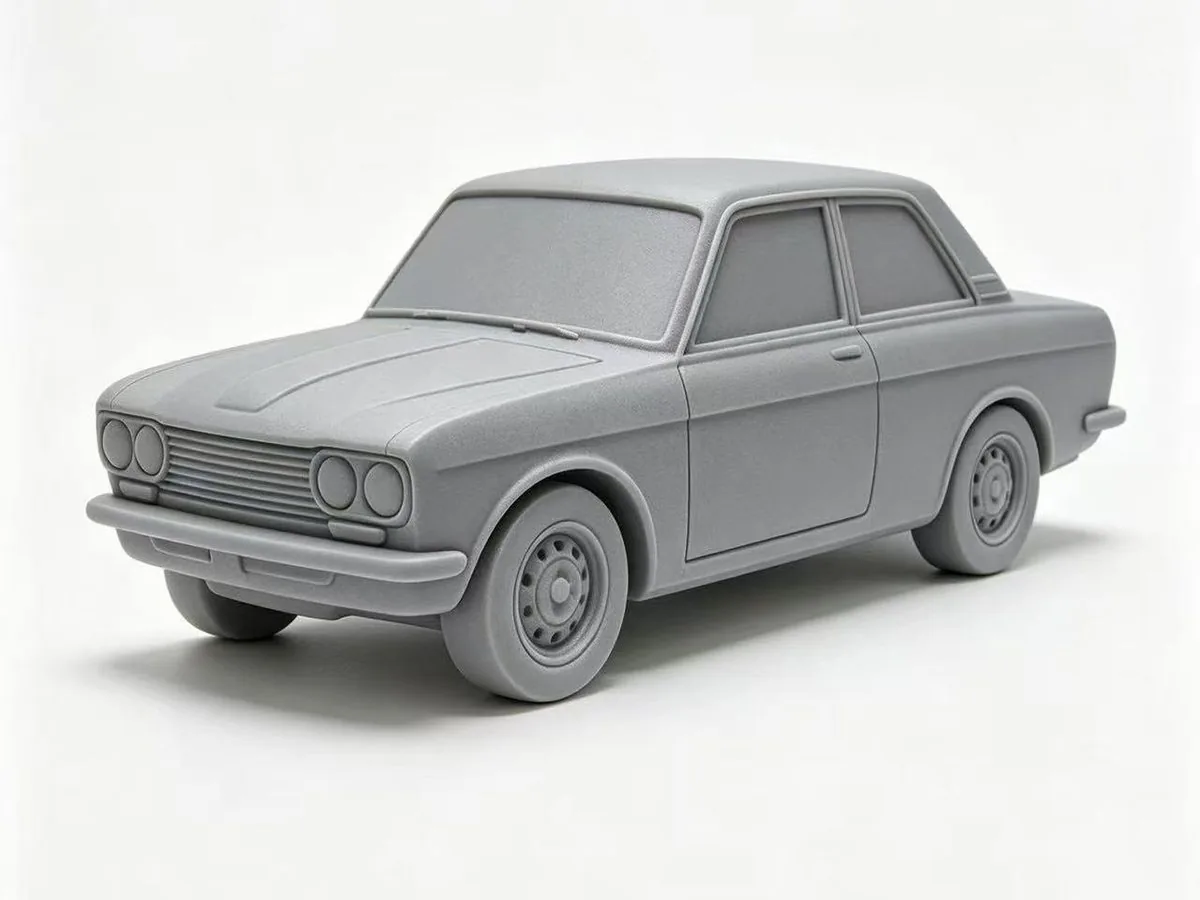
Rapid prototypes verify form, fit and function, so design changes happen on a prototype — not on a finished mould.
SLA prototype in grey resin
04
Mould Making
CNC · EDM · Wire cut · Deep-hole drilling
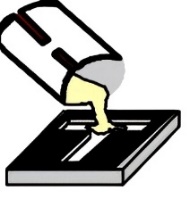
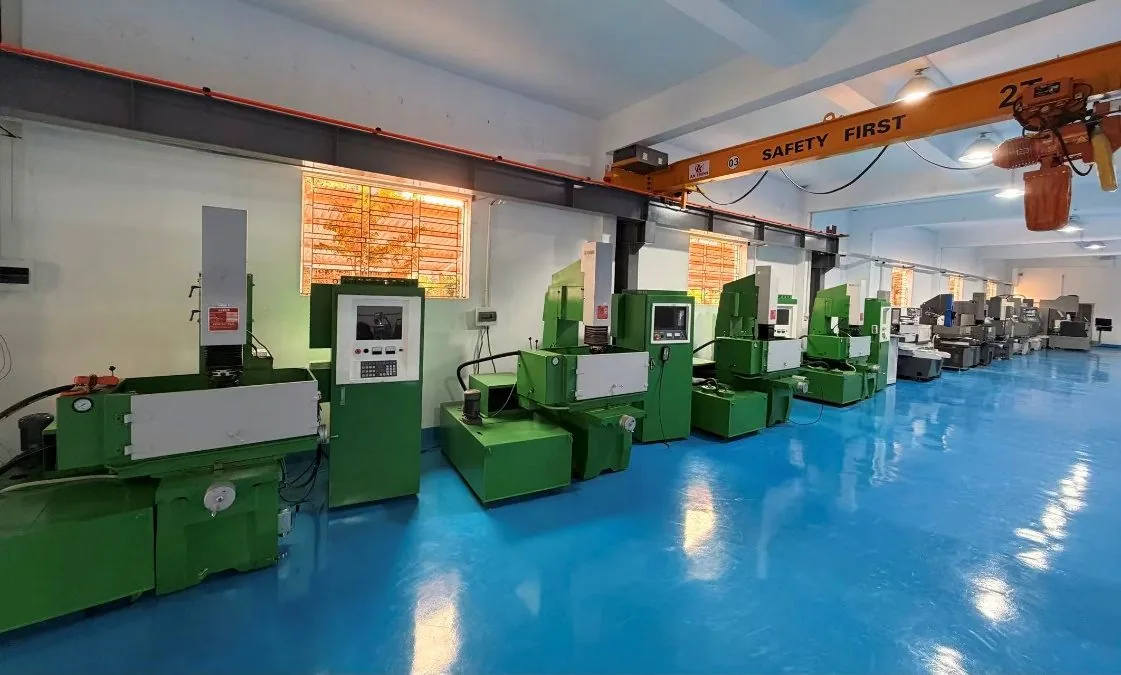
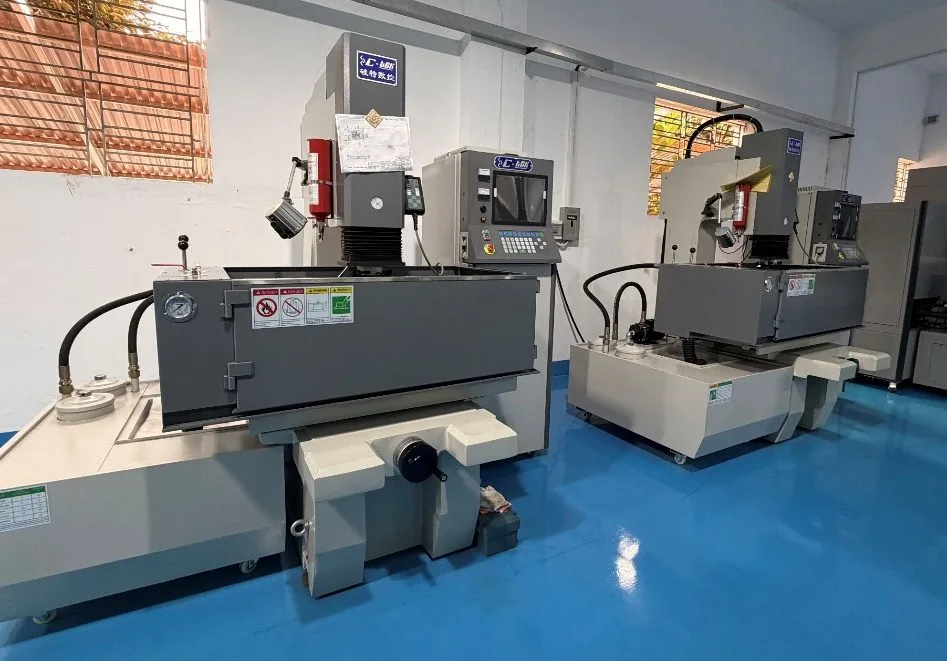
Cavities and cores are machined in-house on 10+ CNC centres and 27 EDM machines, then hand-finished and polished by our toolmakers.
4-cavity mould — core and cavity halves
05
Tool Trials
50–650 T in-house presses
Every tool is trialled on our own injection machines; samples are measured and the mould is fine-tuned until the parts are right.
First trial shot — four bodies on the runner
06
Delivery & Production
Packing
Once the parts are signed off with you, the mould then ships, ready to run at your plant or ours.
Approved production part, packed for delivery
Vertical integration
Design, prototype, tooling and trial moulding under one roof — dedicated PE & QC on every project
Digital engineering
Every mould simulated and optimised before steel is cut — Freeform, CREO, UG NX, SolidWorks, Moldflow
Development expertise
From sketch to full 3D data, across appliance, automotive, toy and industrial products
Quality assurance
Quality built into the tool — inspected from first prototype to approval, near-zero revisions
Zero tool revision shortens lead-time — early development already meets 80% of final product graphic requirements.
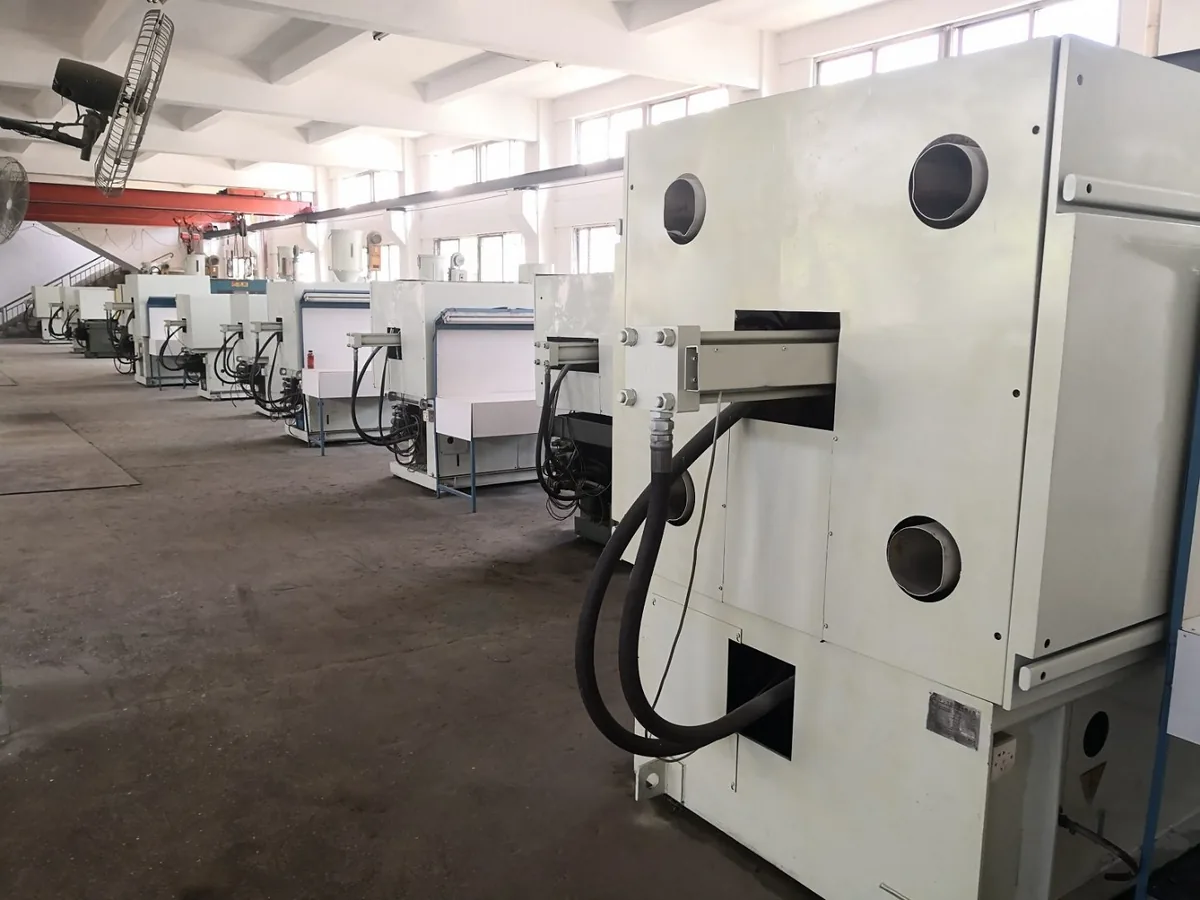
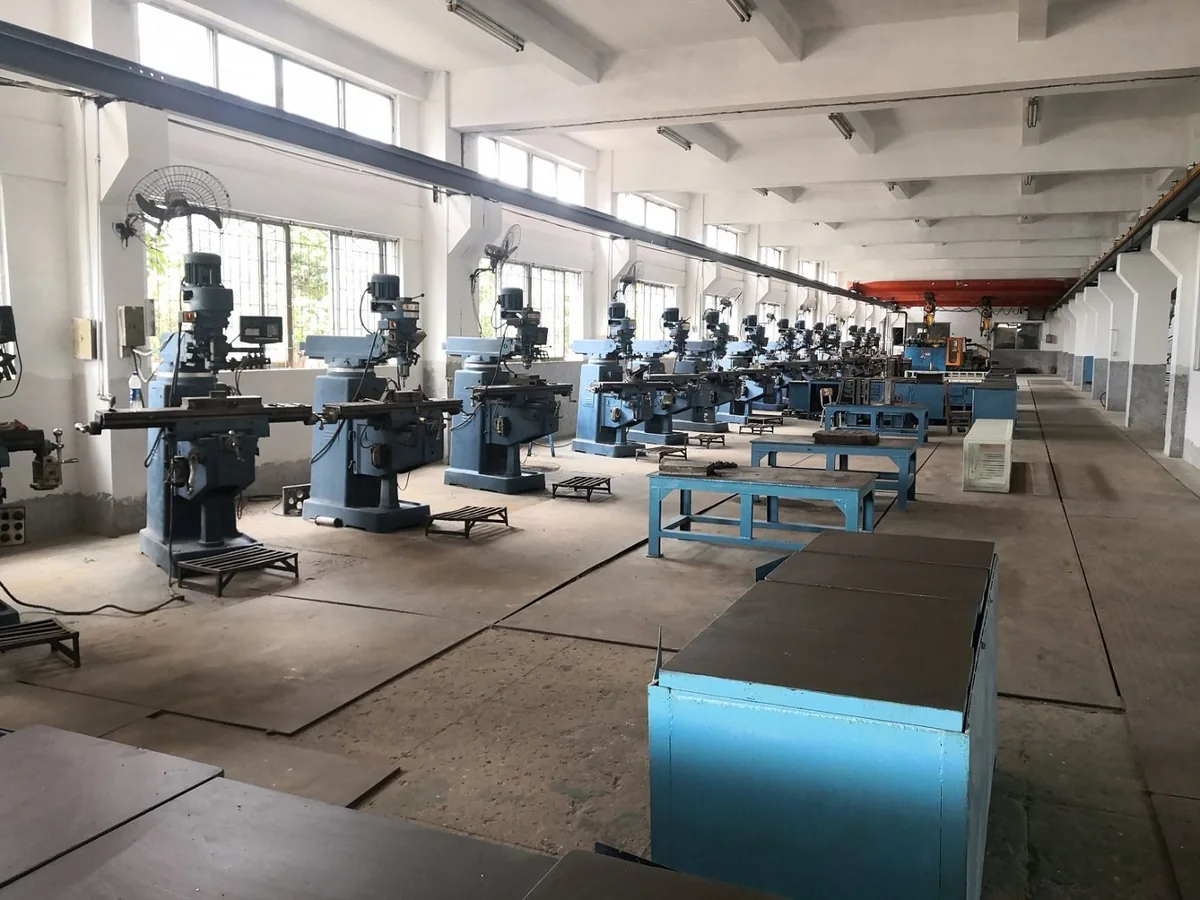
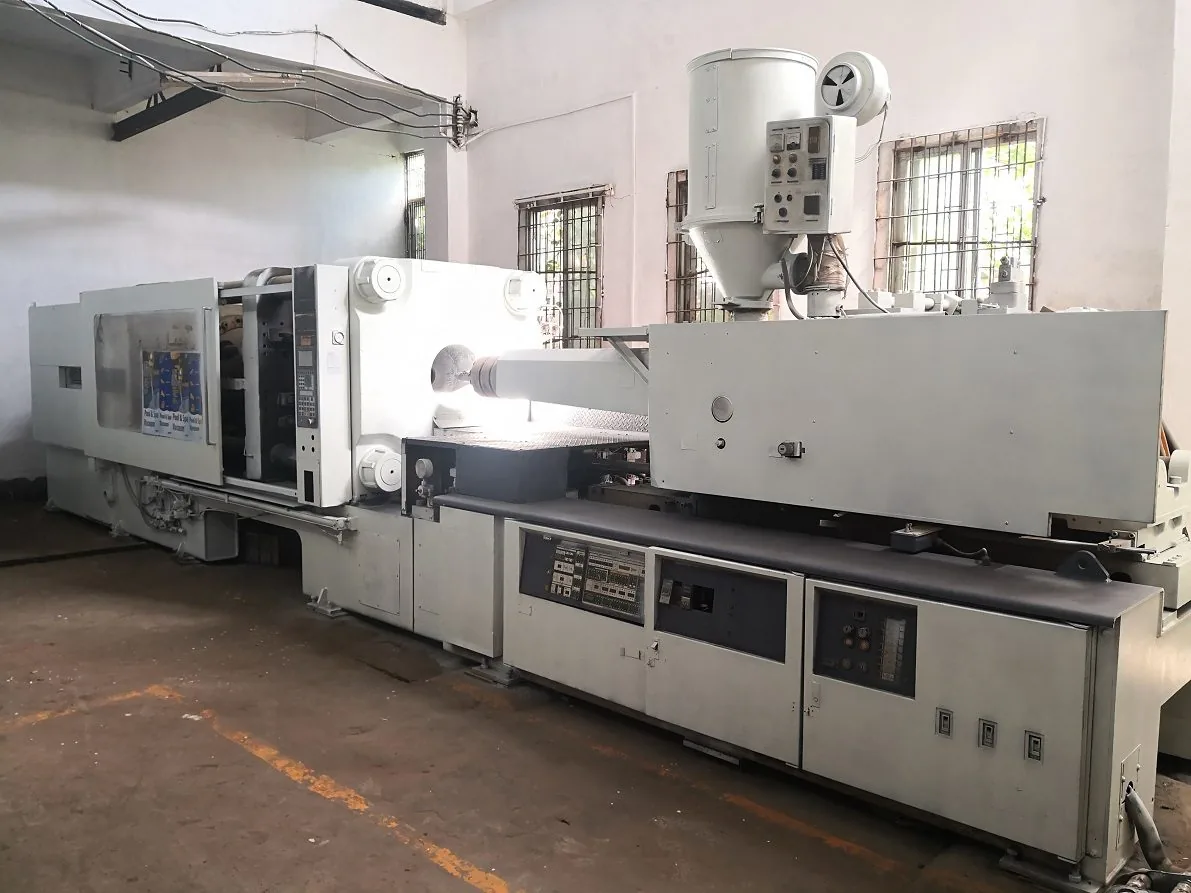
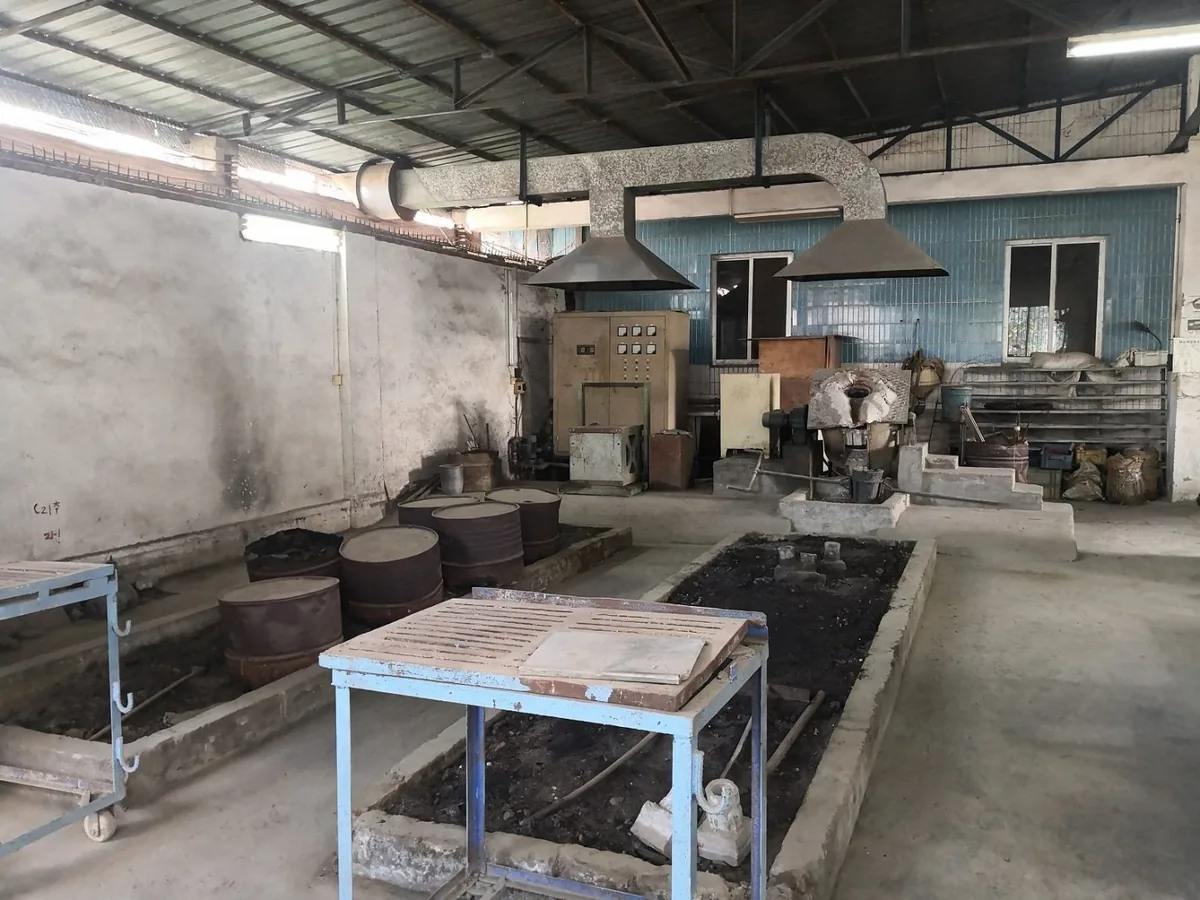
Steel, toolpaths and finished parts — from both plants. Click any image to enlarge.
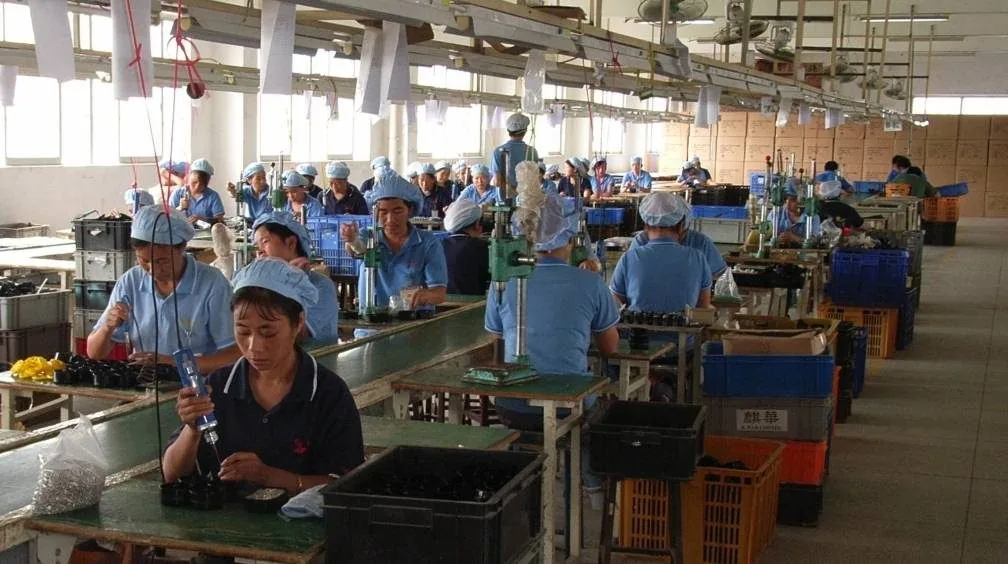
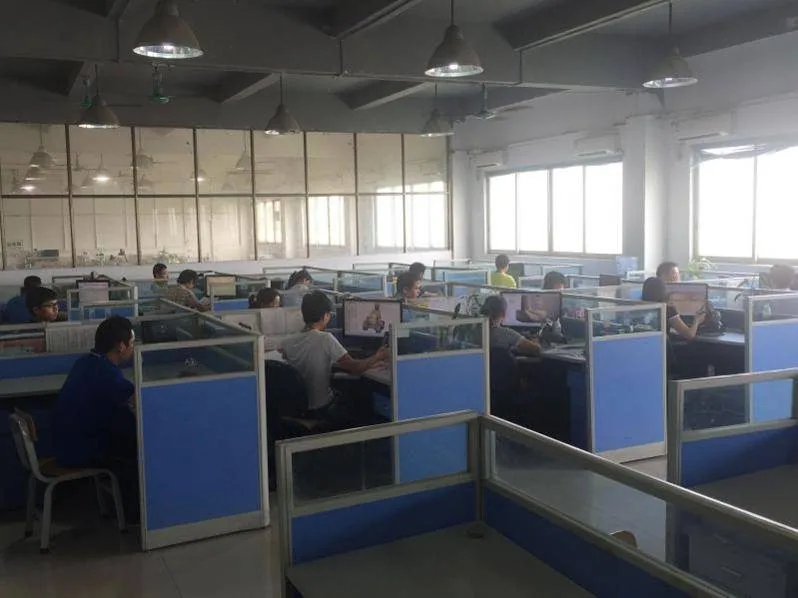
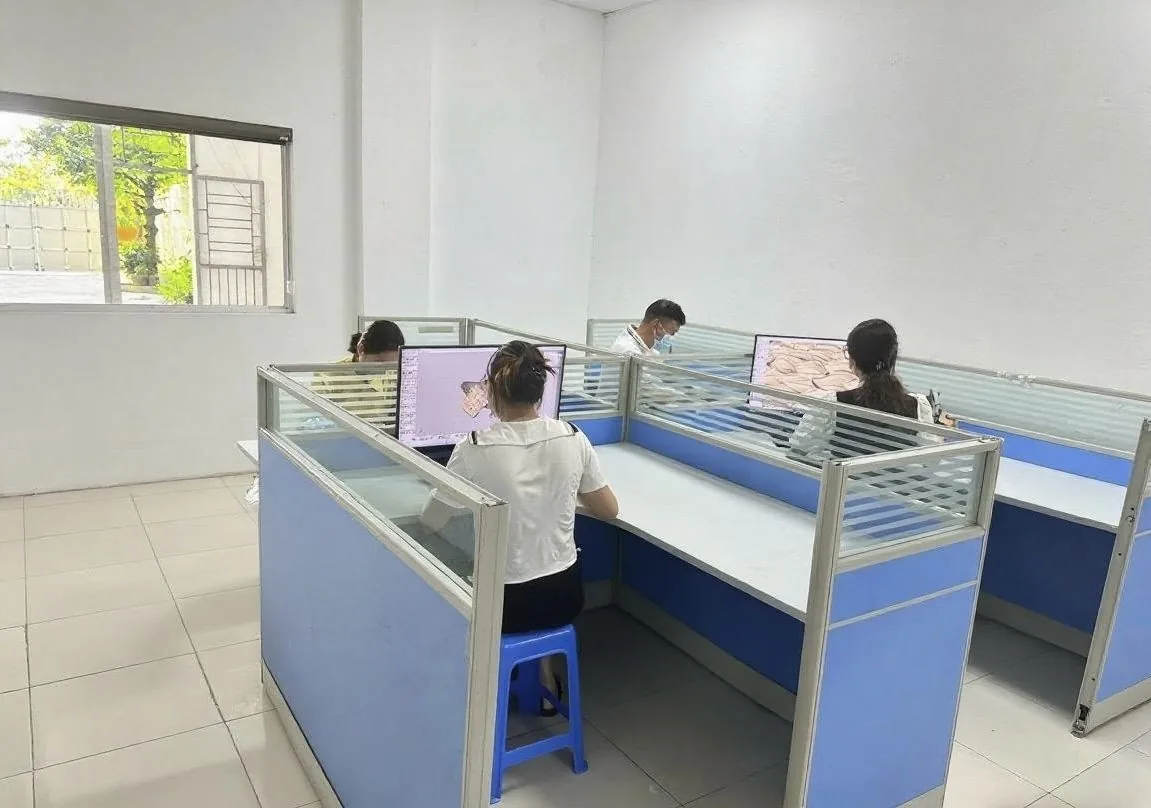
Injection machine hall · HuizhouMould fabrication · Huizhou650 T injection machine · HuizhouCasting workshop · HuizhouAssembly & finishing · HuizhouResearch & development · HuizhouProduct development · Hai PhongTooling workshop · Hai PhongTooling workshop · Hai Phong
Clients
Industries We Serve
Home Appliance
Global home & outdoor appliance brands
Automotive
Tier-1 automotive suppliers across Europe, the US and Asia
Toys
The world's leading toy companies
Any Other Industry
Industrial components, consumer products and any other plastic or die-cast part
Questions
Frequently Asked
How long does a new mould take?
Four to seven weeks to first samples (T1) for most single-cavity and small multi-cavity tools, and eight to twelve for large or highly complex moulds with slides, lifters or hot runners. We quote T1 and shipment separately so you can plan around the samples rather than the delivery date.
What decides the price of an injection mould?
Cavity count, annual volume, steel grade and surface finish move the number more than anything else. We set out the ten inputs that drive a quotation, and the omissions that delay one, in our RFQ checklist.
Do you build low-volume, bridge or prototype tooling?
Yes. A P20 aluminium-free bridge tool for a few thousand parts is a routine job, and it is often the right answer while a design is still settling. We will tell you honestly when a soft tool is the better spend and when it is worth going straight to hardened steel.
Can the mould run on presses we already own?
Yes — send the tonnage, tie-bar spacing, ejector pattern and shot size and we design the mould base around them. Moulds we build are routinely shipped to the customer's own plant or to their contract manufacturer and run there.
Do you make the parts as well, or only the tooling?
Tooling is our business. We run trials, sampling and pilot quantities in-house so the mould is proven before it leaves us, but volume production normally runs at your own factory or your chosen manufacturer. We work alongside your production partners rather than competing with them.
Should we tool in China or Vietnam?
Both plants work to the same drawings, standards and inspection process, so the choice is commercial rather than technical. Vietnam is often preferred by US and European buyers for tariff and supply-chain reasons; Huizhou has the deeper capacity for very large or highly complex tools. Tell us your destination market and we will recommend one.
Who owns the tooling once it is paid for?
You do. The mould is your property, and it can be shipped to you or to any manufacturer you nominate at any time. We hold tooling for customers who prefer us to store and maintain it, but that is a service, not a condition.
Will you sign an NDA before we send drawings?
Yes, and we prefer to. Ask when you first get in touch and we will return a signed NDA the same day. Part data is seen only by the project engineer assigned to your enquiry.